
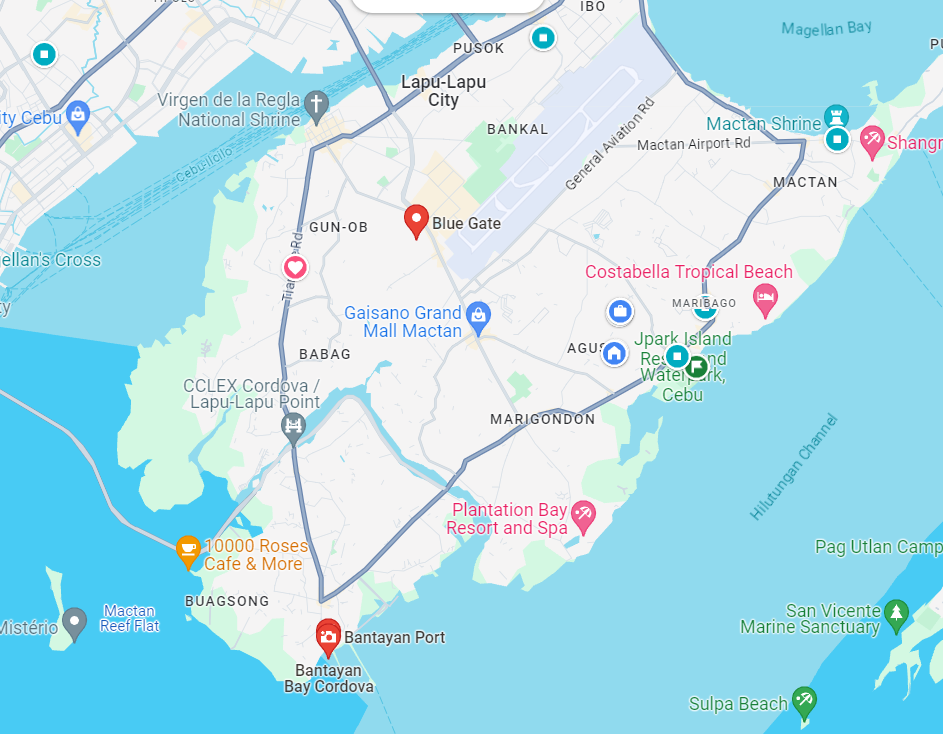
Cebu, located in the Philippines, boasts a well-developed transportation network that plays a pivotal role in its connectivity and economic activity. Here, we will explore the various modes of transportation that make up the metro's intricate web of connections.
Ferry Connections: Cebu's strategic coastal location has made it a hub for ferry transportation. The Cebu City port serves as a gateway to numerous surrounding islands and provinces. Ferries are a popular means of transport for both passengers and cargo, facilitating trade and tourism across the region.
Aerial Connections: The Mactan-Cebu International Airport (MCIA) is a key aviation hub, serving as a vital gateway to the Philippines. It offers both domestic and international flights, connecting Cebu to major cities across Asia and beyond. MCIA's modern infrastructure enhances the region's accessibility and plays a crucial role in promoting tourism and business activities.
Road Network: Cebu's road network is extensive and well-maintained, comprising highways, bridges, and expressways. The Cebu South Coastal Road and the Marcelo Fernan Bridge, for instance, enhance intra-city travel and connect the island to neighboring provinces. This road network facilitates the smooth flow of goods and commuters within the metro and beyond.
Ports: Aside from the Cebu City port, Cebu also boasts other key ports like the Port of Mandaue and the Port of Danao. These ports facilitate the efficient movement of goods and materials, contributing significantly to the local and national economy.
Overall, Cebu Metro's transportation connections are a testament to its strategic location and economic significance in the Philippines. These modes of transportation, whether by sea, air, or road, are critical in promoting commerce, tourism, and regional development. The continual improvement and expansion of these networks are essential for Cebu to remain a vital center of trade, industry, and culture in the Philippines.